
Finding a passionate early learning community is one of the first steps in deciding on care for young children. In a smaller childcare centres, where belonging and connectedness matter, children are at the centre of decision-making.
Community-focused centres, like Apollo Village Redcliffe, inspire a child’s curiosity. It's where educators encourage messy outdoor adventures, giving children the freedom to play in a raked pile of leaves and where a mud kitchen becomes a child's favourite destination.
As each room has fewer children, there are more possibilities for genuine connections. Educators can notice and celebrate a child's achievements and design environments with a sense of belonging in mind.
Read on to explore:
- What makes an early learning community feel supportive?
- The benefits of smaller, community-focused centres for early learning.
- Forging connections through smaller group sizes.
- Community involvement and support.
What makes an early learning community feel supportive?
You can always check national quality ratings to see how well a centre stacks up. Outside this system, your personal considerations matter. We encourage parents to notice how children feel when arrive and leave through that centre door each day.
Small childcare centres that encourage connectedness and belonging excel when creating a supportive early learning community. In these environments:
- Children always come first. They feel seen, heard and understood. Children are active participants in the decision-making of their care and education.
- Individual support improves children's confidence in expressing their interests. Educators can focus on each child, quickly catching on to their moods and responding to their needs.
- Family partnerships establish healthy routines and rituals reflecting the child's needs and preferences. Educators and families work together to shape learning experiences by understanding a family's cultural background and ways of being.
- Holistic wellbeing promotes welcoming learning spaces and positive mental health and wellbeing. With more time for building relationships, educators can notice the signs of emerging issues and offer support.
- Consistency helps children feel secure and builds long-term trust. It lays the foundation for a reliable early learning community. The same group of educators welcome families and children by name every day.
This sense of security helps childrens' self-esteem and sense of identity blossom. They feel supported in exploring and becoming active participants in their world.
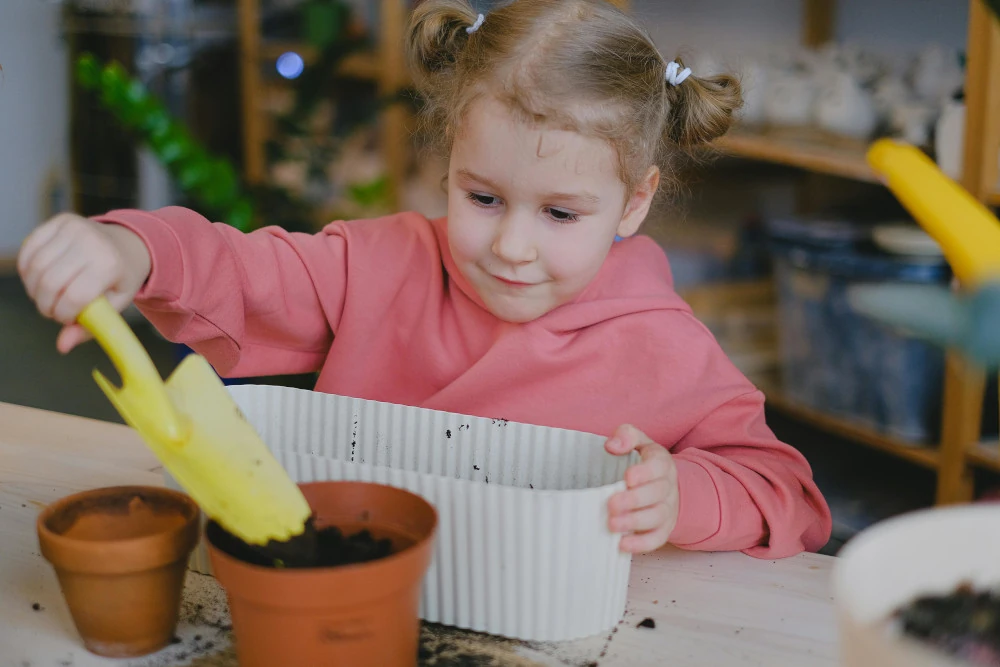
The benefits of smaller community-focused centres for early learning
Smaller childcare centres for early learning have the unique advantage of fewer children. It means educators can spend more time getting to know each child while focusing on what's most important to a child's development. They listen to a family's interests.
Benefits include:
- Meaningful relationships with educators. Educators can learn more about the children in their care, such as their traits, interests, hang-ups, family pets and favourite stories.
- More individual attention. Teaching teams can provide one-on-one support, stepping in to gently encourage a child to join a group activity or give extra guidance for a new experience.
- A tailored approach to learning and care. While age-appropriate pedagogy including play-based learning is favoured, it is flexible in nature. Individualised learning takes into account how every child is different.
- Easier communication with families. Smaller early learning communities make communication seem effortless. Families benefit from informal chats at drop-off and pick-up and tailored updates that capture their child’s unique experiences.
- A natural community feel. The intimate setting of a small childcare centre encourages families to get to know one another. When celebrating Grandparents' Day or watching a movie at dusk in the garden, it's common for families to form lasting friendships.
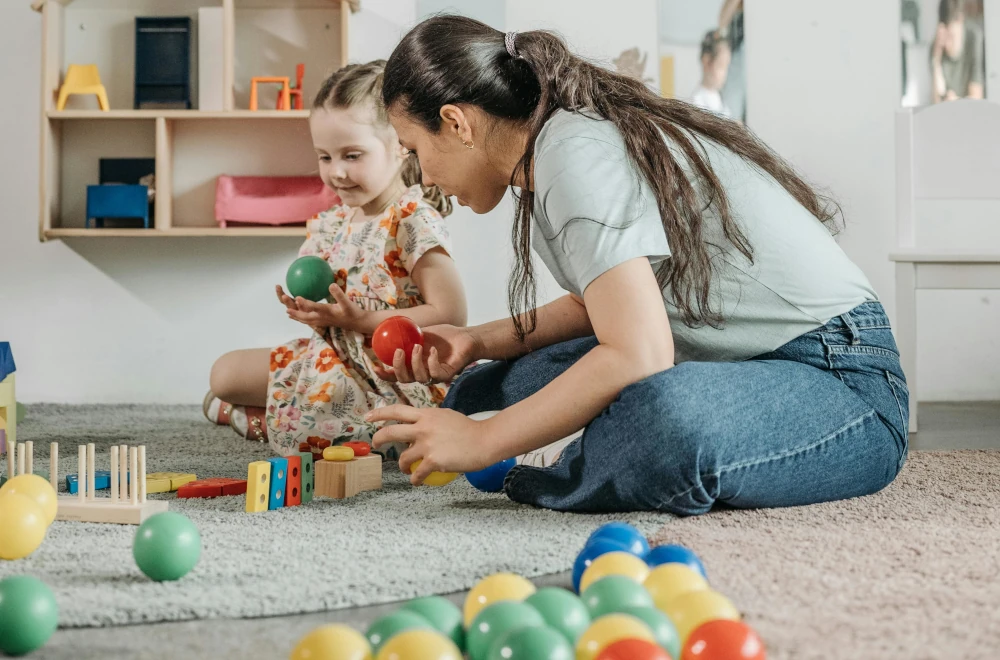
Forging connections through smaller groups
Small and large centres offer differing experiences. In large early learning services, for example, children may have access to a wider variety of programs. In smaller early learning communities, the focus is often on connection.
Smaller groups in early education and care can impact a child's life by:
- Improving connectedness and care. Smaller group sizes enable educators to respond to each child, strengthen secure attachments and uplift the voices of younger children.
- Allowing for more individualised attention. With smaller ratios (fewer children but more educators), teams can monitor children more closely, creating a safer, nurturing environment.
- Emerging naturally within the environment. Smaller group play inspires children to convey ideas, build relationships and explore shared interests. In turn, this strengthens conversational and social skills, such as sharing and taking turns.
Educators can organise the learning environment for individual and smaller group experiences. Whereas larger experiences bring the whole centre together, such as a wildlife incursion of a centre-wide disco, enhancing a child's sense of belonging.
Community involvement and support
Small childcare centres often have a strong sense of community involvement. It builds on a sense of belonging for children and their families. These centres are often more connected to local organisations and places.
Smaller early learning communities:
- Invite community groups to create connections, such as our emergency services. Children love to hear from their local firefighters.
- Collaborate with local schools to make transitions for kindy children easier.
- Organise opportunities for cultural enrichment by recognising and celebrating holidays and customs that are meaningful to the children, their families and the local community.
- Go that extra mile to support families by fostering a supportive network where parents can share experiences, seek advice on things like lunchbox ideas and provide support to other families.
- Organise visits from local health specialists, such as dentists and eye specialists.
- Involve families in their programs. They invite participation within the centre or when organising excursions to local places, such as the local library.
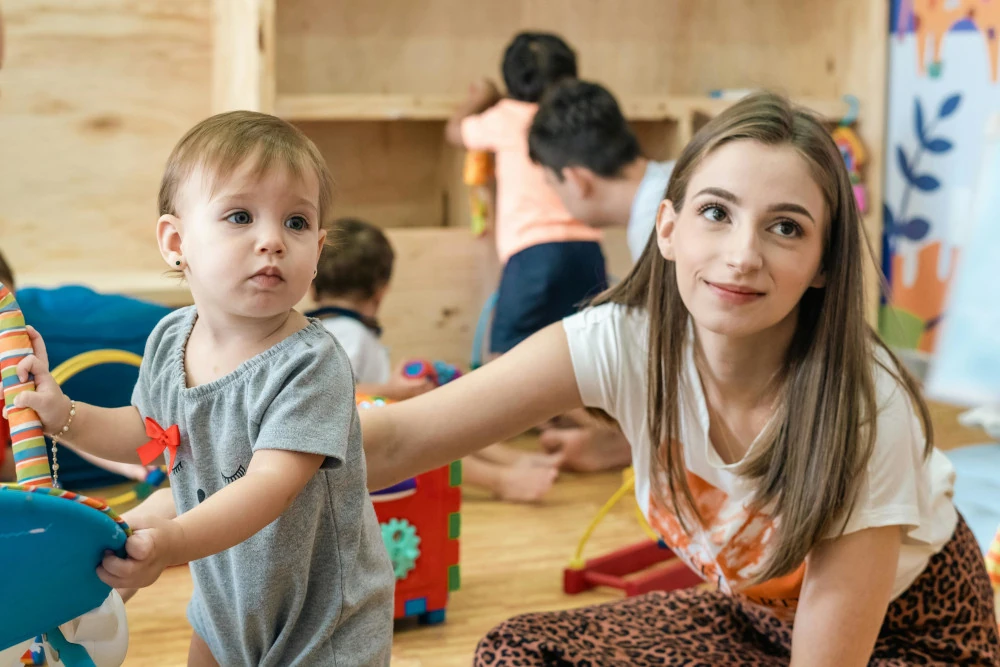
How to decide on a big or small childcare centre
Choosing the right childcare centre depends on the range of benefits they offer. With individualised care, tailored learning and supportive communities, smaller childcare centres can have a positive, lasting effect on a child's wellbeing.
Ultimately, your choice depends on what environment helps your child feel a sense of belonging and nurtures their identity. For many families, the intimacy and bespoke care of a small early learning community provides the perfect foundation for a child's early years.
At Apollo Village, our new early learning centres are opening soon. Discover more about your nearest community-focused centre.